


Description
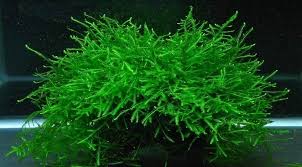
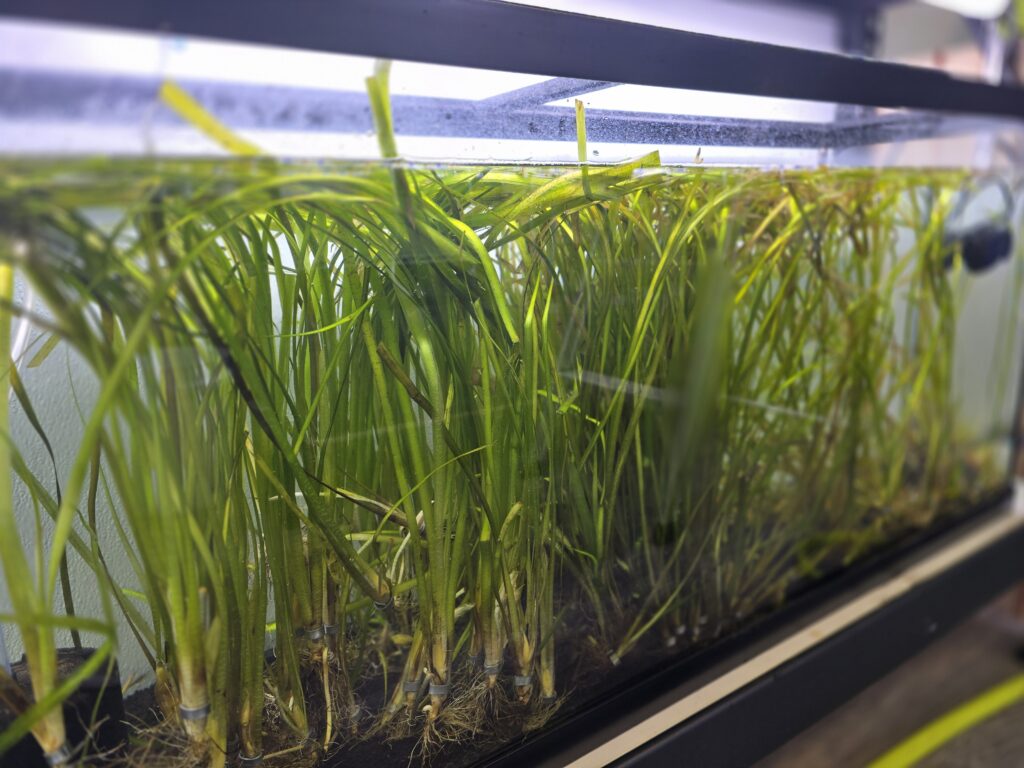
Dwarf Sagittaria (Sagittaria subulata) is an easy-to-care-for aquatic plant that is ideal for beginners and can thrive in a wide range of water conditions. It is known for its grass-like appearance and tendency to spread through runners, creating a lush carpet across the aquarium floor.
Planting
- Location: Plant Dwarf Sagittaria in the foreground or midground of your aquarium.
- Spacing: Use tweezers to plant individual plantlets about 2 to 3 inches apart. This gives them enough space to grow and spread.
- Depth: Do not bury the root crown too deep, as this can cause it to rot. You should only cover the roots, leaving the base of the leaves exposed.
- Trimming for growth: To encourage faster propagation, trim the outer leaves of the plantlets when first planting. This redirects the plant’s energy toward producing more runners.
Water parameters
This hardy plant tolerates a wide range of water conditions, including hard and alkaline water.
- Temperature: 68–82°F (20–28°C).
- pH: 6.0–8.0.
- Hardness: Soft to hard (2–15 GH).
- Tank size: Dwarf Sagittaria is suitable for most tanks, including nano aquariums of 5 gallons or more.
Lighting
- Moderate lighting: This is ideal for steady, healthy growth with vibrant green leaves.
- Low lighting: Growth will be slower and the leaves may become longer and leggier as the plant stretches for light.
- High lighting: Higher light levels will promote faster growth and a more compact, bushy carpet. However, be cautious, as excessive light can lead to algae growth. A tinge of red on the leaves can indicate high light conditions.
Substrate and nutrients
- Substrate: As a root feeder, Dwarf Sagittaria requires a nutrient-rich substrate to thrive.
Inert substrates: If using sand or gravel, supplement with root tabs inserted near the plant’s roots every few months. - Fertilization: Yellowing leaves are a common sign of an iron deficiency. Dosing with a liquid fertilizer that includes iron will correct this.
- CO2: Carbon dioxide injection is not necessary but will significantly accelerate growth and create a lusher, more compact appearance.
Maintenance
- Propagation and trimming: To maintain a low, dense carpet, you will need to trim the runners that spread across the substrate. You can replant the new baby plants elsewhere or let them fill in the empty space.
- Pruning: Avoid trimming the leaves too short, as this is a rosette plant and the leaves can die back. Instead, trim selectively to control spread and remove yellowing leaves.
- New plant “melt”: It is normal for new plants to lose their leaves (“melt”) shortly after being introduced to an aquarium. This is the plant adjusting from its emersed, or dry, form to its new submersed environment. Continue proper care, and new leaves will grow.
Tank inhabitants
- Safe companions: Dwarf Sagittaria provides great shelter for small fish, fry, and shrimp. The roots also help stabilize the substrate and break up anaerobic pockets.
- Incompatible animals: Avoid housing Dwarf Sagittaria with plant-eating fish, crayfish, or crabs, which can uproot or damage the plants.

Reviews
There are no reviews yet.