

Description
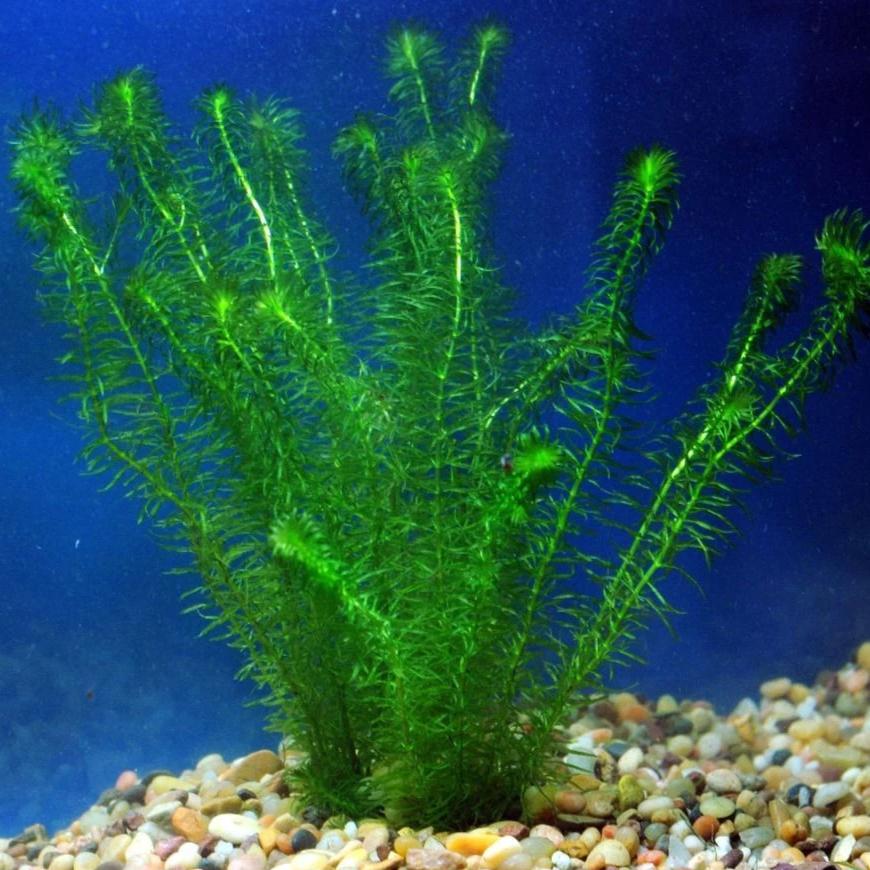
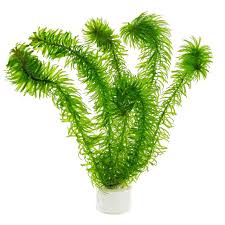
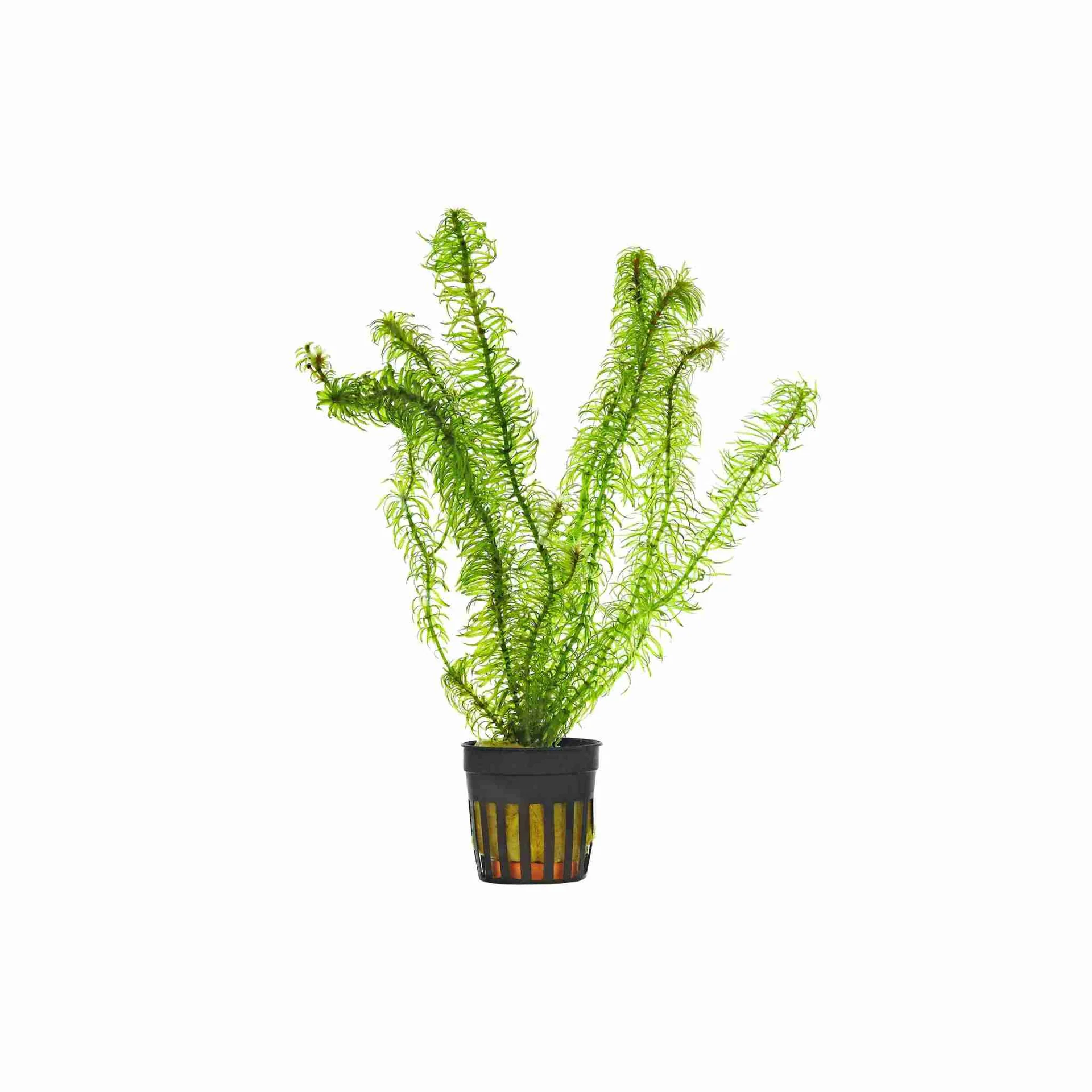
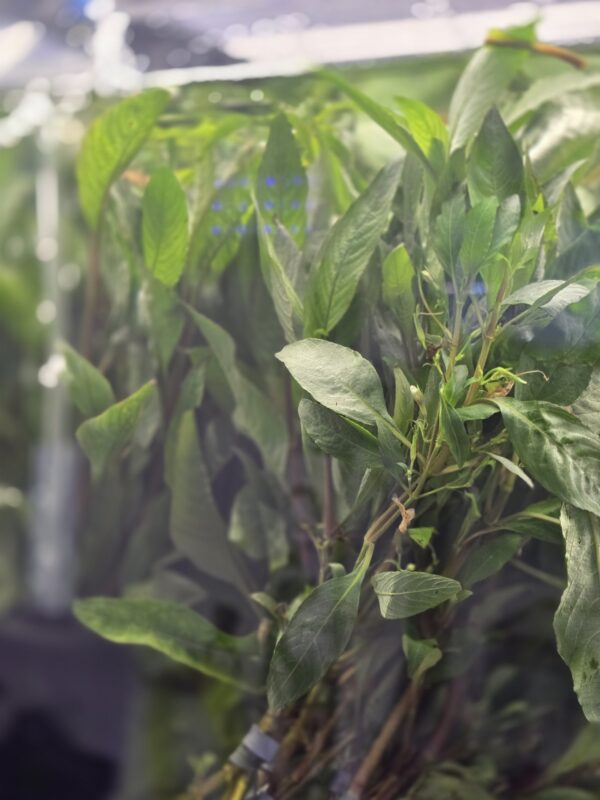
Narrow leaf anacharis, also known as Egeria najas, is a popular and relatively easy-to-grow aquatic plant that adds lush greenery to your aquarium or pond. Here’s a guide to growing it successfully:
1. Planting
- Substrate or Floating: You can either plant narrow leaf anacharis stems in the substrate (sand or gravel, ideally with aquarium soil underneath for nutrients) or allow them to float freely in the water.
- Planting Method:
- If planting, gently remove any banding that came with the plants to avoid stem damage.
- Bury individual stems approximately 1-2 inches deep in the substrate, spacing them about an inch or more apart to allow for growth.
- Alternatively, you can float the stems until they develop roots, then gently anchor them with a weight without burying them, allowing them to root naturally.
- Aquarium Size: Anacharis grows quickly and can get quite tall, making it best suited for medium to large aquariums (15-gallon minimum).
- Placement: It’s best used as a background plant due to its height, or you can create a tiered effect by planting shorter stems in front of taller ones.
2. Water conditions
- Temperature: Anacharis prefers cooler water but tolerates a range of temperatures between 50 and 77°F (10-25°C). Narrow leaf anacharis is slightly more tolerant of higher temperatures compared to regular Anacharis.
- pH: It thrives best in neutral to slightly acidic water, with a pH range of 6.0 – 8.0.
- Hardness: Anacharis can grow in a range of water hardness, 2-20 GH is suitable.
- Flow: It prefers still to gently flowing water, avoid strong currents near the plant.
3. Lighting
- Light Intensity: Anacharis does well in moderate to high light conditions, aim for a PAR rate of about 100-150 for optimal growth. Narrow leaf anacharis is tolerant of low light conditions.
- Duration: Provide at least 8 hours of light daily for optimal photosynthesis and growth.
- Excessive Lighting: Be aware that excessive light can lead to yellowing leaves and algae growth on the plants.
4. Nutrients and fertilization
- Nutrient Absorption: Anacharis primarily absorbs nutrients through its leaves from the water column, but also extracts nutrients from the substrate when planted.
- Fertilization: In a well-stocked aquarium with fish, it may get enough nutrients from fish waste. In plant-only tanks or with strong lighting and CO2, supplementing with liquid fertilizer or root tabs can be beneficial.
5. Pruning and propagation
- Pruning: Anacharis is a fast-growing plant and will require regular trimming to prevent overgrowth and shading of other plants. Simply cut the stem above a whorl of leaves, . You can also pinch off sections.
- Propagation: Easily propagate new plants by taking cuttings of at least 4-5 inches long from healthy stems and either replanting them in the substrate or floating them.
Reviews
There are no reviews yet.